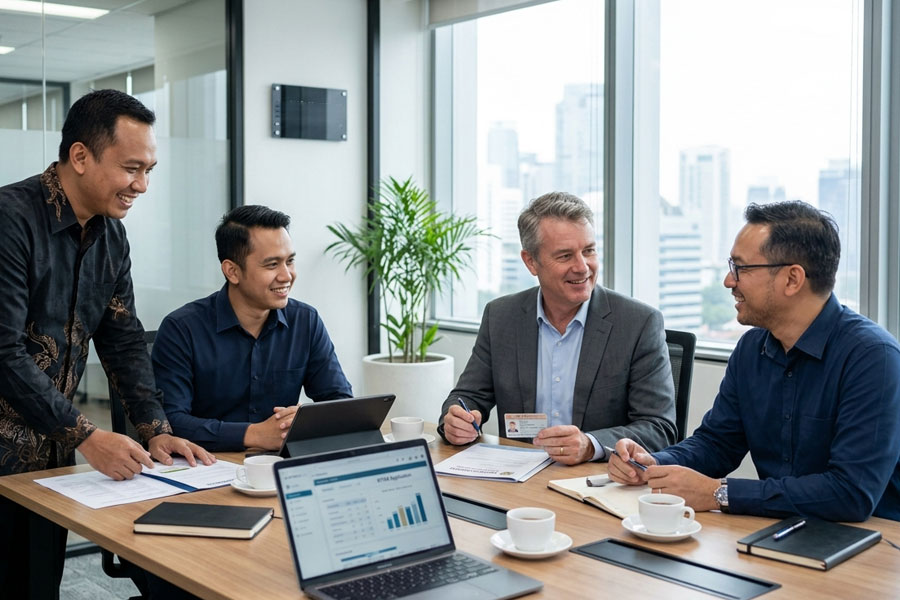
In Indonesia’s dynamic business world, compliance with financial regulations is not merely an administrative obligation, but a cornerstone of a company’s sustainability and growth. For both foreign investors and local entrepreneurs, understanding the complexities of Indonesia’s tax system and accounting standards presents a significant challenge. Utilizing professional Indonesian tax and accounting services is a strategic step to navigate the ever-changing regulatory maze.
Table of Contents
ToggleThe Importance of Accurate Tax and Accounting Compliance
Indonesia’s tax system has undergone significant transformation, particularly with the enactment of the Tax Regulation Harmonization Law (UU HPP) or Law No.7/2021. These changes include adjustments to Value-Added Tax (VAT) rates, carbon tax policies, and changes to personal income tax (PPh) rates. For business entities, non-compliance can result in significant fines and detrimental audit risks.
Good accounting is not just about recording transactions, but about providing accurate data for strategic decision-making. Financial statements prepared in accordance with Financial Accounting Standards (SAK) that are convergent with International Financial Reporting Standards (IFRS) provide the transparency required by investors and stakeholders.
Key Components of Accounting and Tax Services
A professional service typically covers a broad spectrum designed to alleviate a company’s administrative burden. The following are the crucial elements that must be managed:
- Bookkeeping: Recording daily transactions, bank reconciliations, and general ledger management are the cornerstone of a company’s financial health.
- Monthly and Annual Tax Reporting: Obligations such as PPh 21 (employee income tax), PPh 23/26 (service/dividend tax), PPh 25 (corporate tax installments), and VAT must be reported on time.
- Financial Statements: Preparing accurate balance sheets, income statements, and cash flow statements to provide an overview of the company’s financial position.
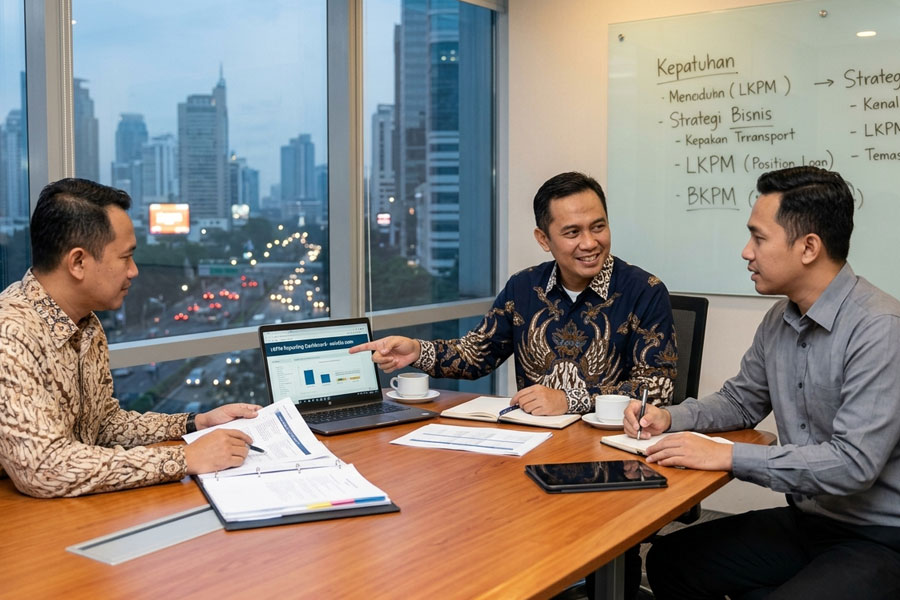
- Investment Compliance: For Foreign Direct Investment (FDI) companies (PT PMA), LKPM (Investment Activity Report) to BKPM on a regular basis is an absolute requirement.
Why Is Outsourcing a Smart Solution?
Many companies, especially SMEs and startups, choose to outsource their accounting and tax services. The main reasons are cost efficiency and access to local expertise. By entrusting financial matters to experts, management can focus on their core business without worrying about sudden regulatory changes.
Additionally, the use of modern technology such as cloud-based accounting software
allows business owners to monitor their financial health in real-time. This system integration ensures that the generated data is accurate and compliant with Indonesian tax standards.
Navigating Transfer Pricing and Audits
For companies with related-party relationships (affiliate transactions), transfer pricing regulations are critical. Indonesian tax authorities have the authority to reassess taxable income if transactions are not conducted in accordance with the arm’s length principle. Engaging professional tax consultants is highly recommended to develop robust transfer pricing documentation to avoid future tax disputes.
Tax Calculations in a Business Context
In day-to-day operations, companies must understand basic tax calculations. Meanwhile, to understand the impact of taxes on net profit, companies must consider the applicable corporate tax rate, currently set at 22%, along with various incentives available to companies meeting specific criteria.
Choosing the Right Service Partner
When selecting an Indonesian tax and accounting service provider, ensure they possess
the following qualifications:
- In-Depth Understanding of Local Regulations: They must be able to navigate the OSS portal, the DJP tax system, and BPJS smoothly.
- Bilingual Proficiency: Clear communication in both English and Indonesian is essential to avoid misunderstandings.
- Proven Track Record: Experience in handling foreign companies or similar industry sectors will provide significant added value.
Conclusion
Managing finances in Indonesia is indeed challenging, but with the support of the right accounting and tax services, these challenges can be turned into opportunities for stable growth. Compliance is not just about avoiding fines, but about building the company’s credibility in the eyes of the government and investors. With a well-organized system, accurate reporting, and a proactive tax strategy, your business will have a solid foundation to compete in Indonesia’s ever-evolving market.