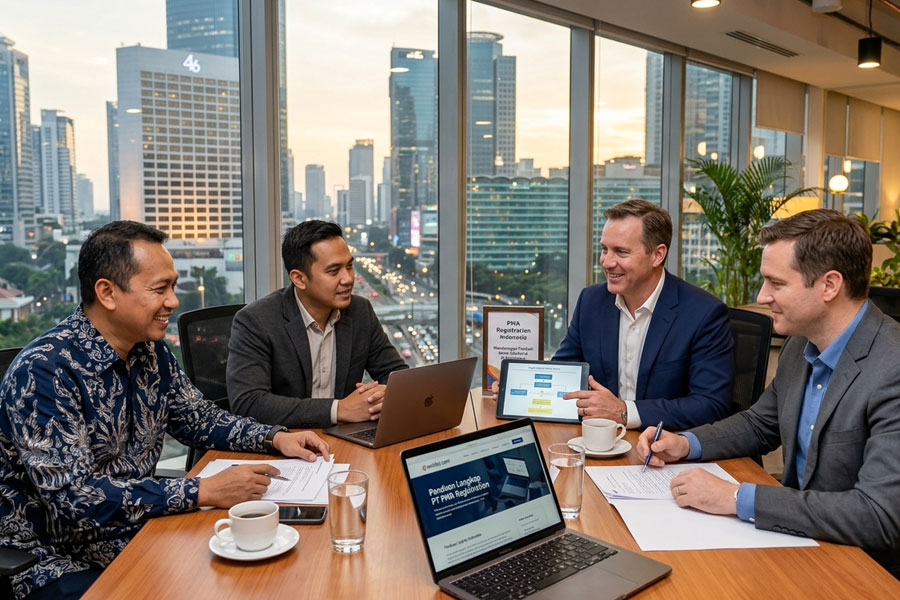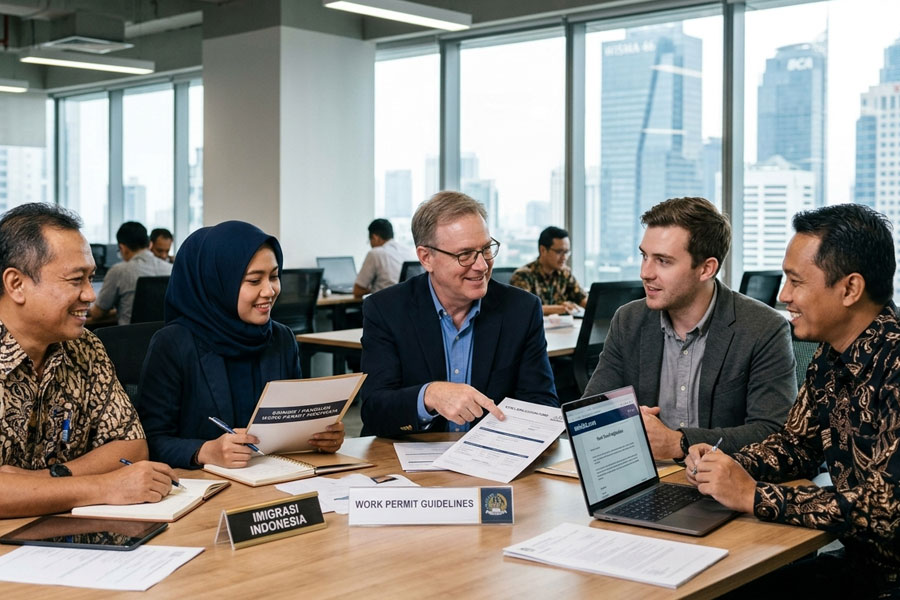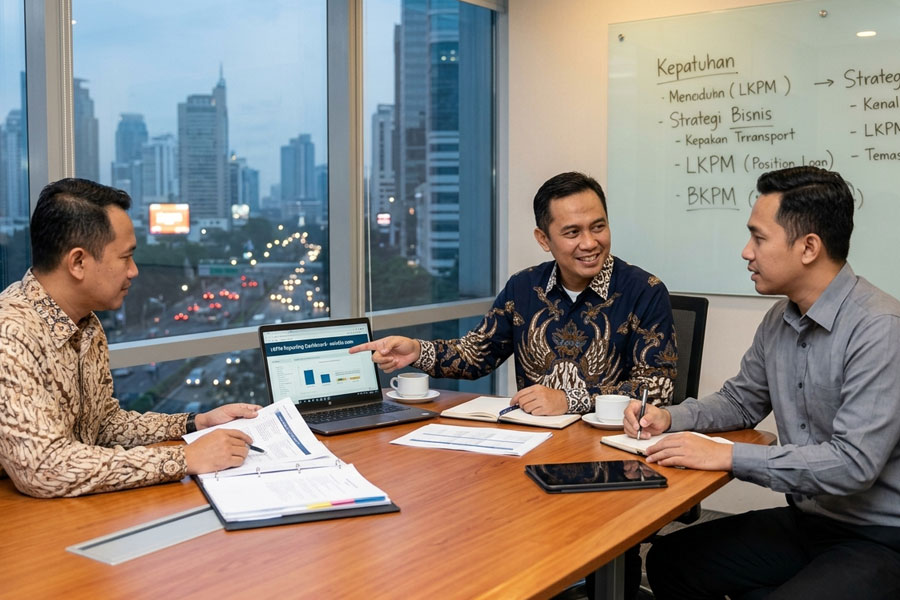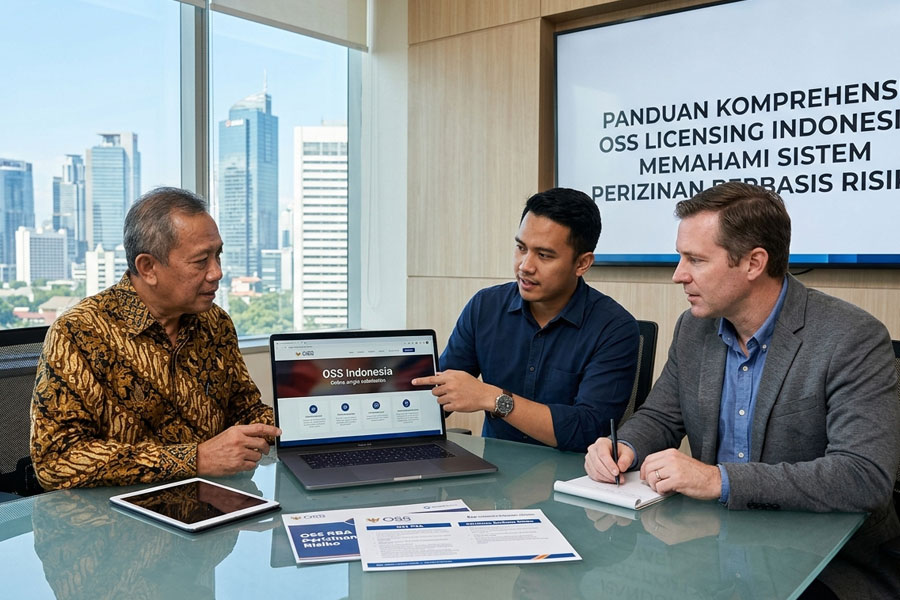
As Indonesia’s economy continues to grow, the government has made major changes to the business licensing process. For both local and foreign business owners, understanding Indonesia’s OSS licensing system is a crucial step to ensure legal, efficient, and sustainable business operations. The Online Single Submission (OSS) system has evolved from a simple registration portal into a fully integrated, risk-based licensing ecosystem.
This transformation is rooted in the spirit of deregulation brought in by the Job Creation Law of 2020. The main goal is to simplify bureaucracy, which has long been seen as a major barrier to investment. By shifting from a conventional ex-ante system (where all requirements must be met before starting) to an ex-post system (where verification happens after operations begin for certain categories), the government aims to create a more dynamic business environment.
Table of Contents
ToggleThe Evolution of OSS: From v1.1 to OSS RBA
The current system, known as OSS Risk-Based Approach (OSS RBA), is an improvement of the previous version (OSS v1.1), and is governed by Government Regulation No. 5 of 2021 on Risk-Based Business Licensing.
Under the old system, the licensing process was largely the same for all businesses, regardless of size or impact. OSS RBA, on the other hand, classifies business activities based on the level of risk they pose to health, safety, the environment, and the use of natural resources. Risk levels are divided into four categories: Low, Medium-Low, Medium-High, and High.
Risk Classification and Requirements
- Low Risk — Businesses only need a Business Identification Number (NIB). The NIB serves as a single business identity, proof of investment registration, and provides access to customs and social security services.
- Medium-Low and Medium-High Risk — In addition to a NIB, businesses must have a Standards Certificate confirming they meet certain operational standards.
- High Risk — Requires a NIB plus stricter operational permits, including environmental documents such as an AMDAL or UKL-UPL, depending on the scale of the project.
Step-by-Step Registration on OSS RBA
For investors looking to set up a PT PMA (Foreign-Owned Company) or a local company, registering through the official OSS portal requires careful attention to detail. Here are the steps involved:
- Account Registration and Company Data
The first step is to access the official OSS platform. Individuals need a National ID Number (NIK), while legal entities need a company tax ID (NPWP), a company deed approved by the Ministry of Law and Human Rights, and director information. - Selecting the Right KBLI Code
Choosing the correct KBLI (Indonesian Standard Business Classification) code is the foundation of the entire licensing process. Picking the wrong code can lead to rejection or conflict with sector-specific regulations. Make sure your business activity aligns with the current KBLI 2020 list. - Meeting Location and Environmental Requirements
The OSS system is now integrated with the spatial planning system. Through the Space Use Activity Conformity (KKPR) feature, the system will automatically verify whether your business location fits the local spatial planning regulations.
Common Challenges and How to Handle Them
Despite being designed for ease of use, many businesses still face technical challenges. Common issues include data mismatches between the OSS system and the Ministry of Law and Human Rights database, or notary document formats that do not meet the AHU (General Legal Administration) system standards.
To reduce the risk of rejection, it is recommended to:
- Ensure Document Validity — Make sure all deeds, tax IDs, and company address documents are up to date and registered in the government system.
- Use Certified Translations — For foreign investors, all supporting documents in a foreign language must be translated into Indonesian by a certified translator.
- Submit LKPM Reports — Once the license is issued, the company must regularly submit Investment Activity Reports (LKPM) through the OSS system. Failing to do so can result in the NIB being frozen.
Why OSS RBA Matters for Your Business
OSS RBA is not just an administrative change — it represents a shift in how business is done in Indonesia. With a centralized system, licensing transparency is greatly improved. For companies, the speed of obtaining a NIB helps reduce time-to-market. For example, if a business is classified as low risk, a NIB can be issued very quickly — often in less than 48 hours if all data is complete.
Conclusion
Understanding OSS licensing in Indonesia is a valuable investment for any entrepreneur. While the system offers convenience, the complexity of sector-specific regulations still requires careful attention. With thorough document preparation, a clear understanding of risk classifications, and consistent compliance with reporting requirements, businesses can use the OSS system to build a strong foundation in Indonesia.
If you find the registration process overwhelming or want to ensure full compliance with the latest regulations, working with a professional business consultant can help you navigate the bureaucratic process more effectively — so you can stay focused on growing your business.