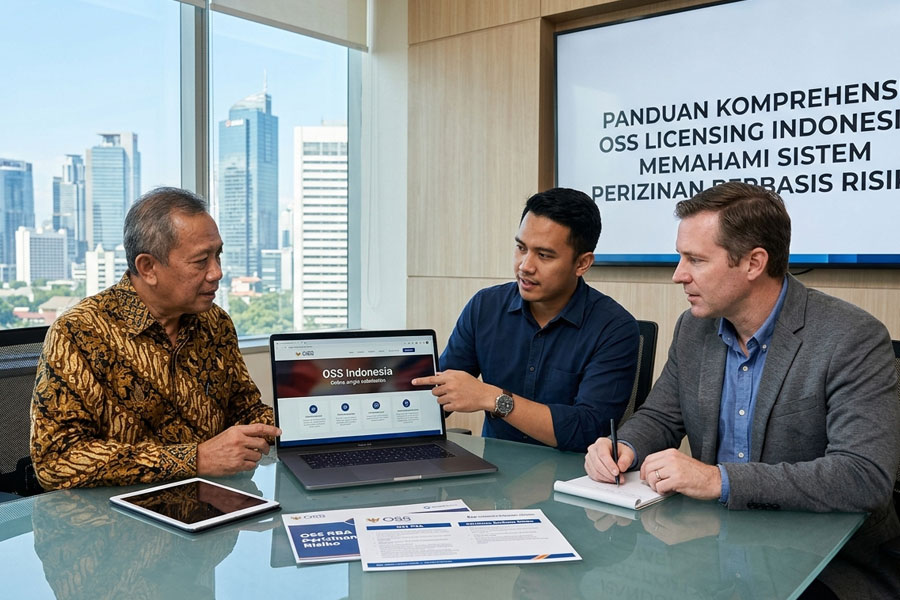
In Indonesia’s fast-moving investment world, following the rules is one of the most important things a company can do to keep running smoothly. One key tool that every business — whether local (PMDN) or foreign-owned (PMA) — needs to understand is the LKPM (Investment Activity Report). The LKPM is not just a paperwork requirement; it shows the government how investments are actually being used, and helps them evaluate the country’s business climate.
Understanding LKPM reporting in Indonesia is essential for investors who want to maintain their credibility and keep access to investment benefits. According to current regulations, the LKPM is used by the government to monitor investment progress, track job creation, and identify problems that businesses face on the ground.
Table of Contents
ToggleLegal Basis and Reporting Obligations
The requirement to submit an LKPM comes from Law No. 25 of 2007 on Investment, which requires every business to report on the progress of their investment. Over time, the government — through the Ministry of Investment/BKPM — has updated the technical guidelines through BKPM Regulation No. 5 of 2021 on Risk-Based Business Licensing Supervision.
In practice, every business that already has a Business Identification Number (NIB) must report its activities through the Online Single Submission (OSS) system. This requirement applies to medium and large businesses, as well as small businesses with a certain level of investment.
Report Categories and Deadlines
The government divides reporting requirements by business size to make monitoring more effective. Here are the reporting schedules businesses need to follow:
- Small Businesses — Companies with investments between Rp1 billion and Rp5 billion (not including land and buildings) must report every six months. Deadlines are July 10 for the first half of the year, and January 10 of the following year for the second half.
- Medium and Large Businesses — Companies with investments above Rp5 billion must report every three months. The deadlines are:
- Q1 (January–March): by April 10
- Q2 (April–June): by July 10
- Q3 (July–September): by October 10
- Q4 (October–December): by January 10 of the following year
Key Components of the LKPM
When preparing the report, businesses must provide accurate and honest data. The main items to include in the OSS system are:
- Investment Realization — Covers money spent on land, buildings, machinery, equipment, and working capital. Note that only the new amount added during the reporting period is reported, not the total accumulated amount.
- Job Absorption — The number of local and foreign workers involved in the company’s operations.
- Production and Revenue — For companies already operating commercially, output and revenue data are important indicators for the government.
- Business Problems — This section allows businesses to share challenges they face, such as licensing issues, technical difficulties, or market challenges, so the government can offer help or solutions.
Consequences of Non-Compliance
Ignoring LKPM reporting obligations can seriously harm your business. BKPM can impose administrative sanctions ranging from written warnings and business restrictions, all the way to freezing or revoking your business license. Keeping your data accurate and submitting on time is the best way to avoid these risks.
Why Does LKPM Matter for Business Strategy?
For foreign investors (PMA), complying with LKPM is a must to maintain company status and access investment incentives like tax holidays or tax allowances. The data in the LKPM system also helps the government design better economic policies. By honestly reporting challenges, businesses open the door to receiving support from both local and central government.
Conclusion
LKPM reporting in Indonesia is a communication bridge between the private sector and the government. With the integrated OSS system, the reporting process is now more efficient and transparent. If you find it difficult to prepare the report, it is recommended to consult a professional or use the official guides provided by your local DPMPTSP office.
Compliance is not just a legal obligation — it is an investment in your company’s reputation. By reporting your investment activities regularly, you not only avoid sanctions, but also help build a healthy and sustainable investment climate in Indonesia.