Indonesia, as the largest economy in Southeast Asia, has long been a magnet for foreign capital. A multinational company’s decision to expand into the Indonesian market involves complex strategic calculations — balancing massive growth potential against a dynamic regulatory and operational landscape. Understanding these dynamics is essential for businesses looking to navigate this unique yet promising market.
Table of Contents
ToggleStrategic Advantages of Operating in Indonesia
The primary advantage drawing foreign companies to Indonesia is the extraordinary scale of its domestic market. With a population of over 270 million, Indonesia offers a continuously growing consumer base — particularly as the middle class expands with greater purchasing power. In development economics, a large domestic market is often a key driver for companies to pursue Foreign Direct Investment (FDI), bringing production closer to end consumers and thereby reducing logistics and distribution costs.
Beyond that, the presence of foreign companies makes a significant contribution to national economic growth. Such investment brings not only fresh capital but also technology transfer and modern management practices. Economists note that technology “spillover” occurs when local companies adopt the operational standards, efficiency practices, and innovations introduced by multinational corporations — ultimately raising overall workforce productivity.
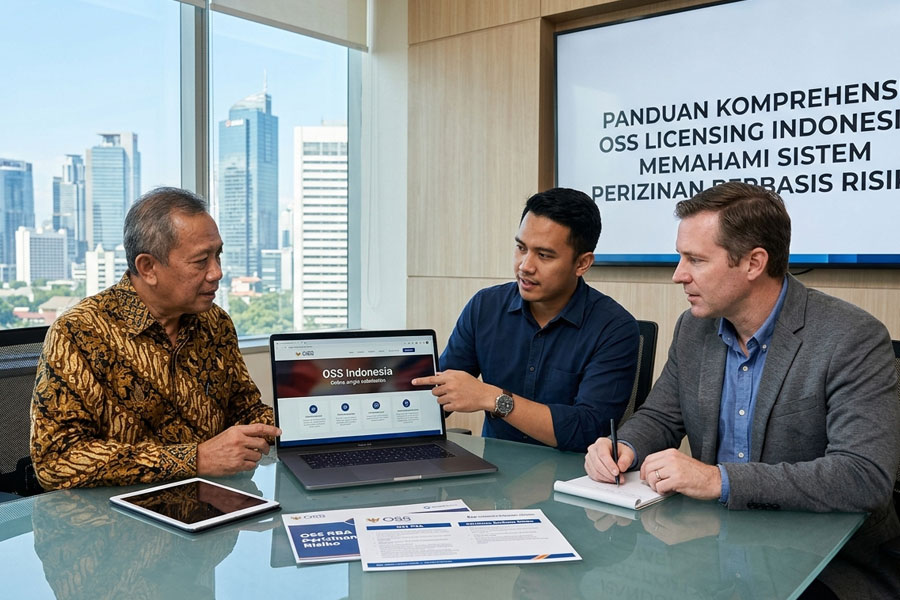
The Indonesian government has also been continuously working to create a more conducive investment climate through regulatory reforms, such as streamlining the business licensing process. These efforts aim to attract investment in strategic sectors such as manufacturing, renewable energy, and the digital economy — all seen as pillars of Indonesia’s economic future.
Operational and Structural Challenges
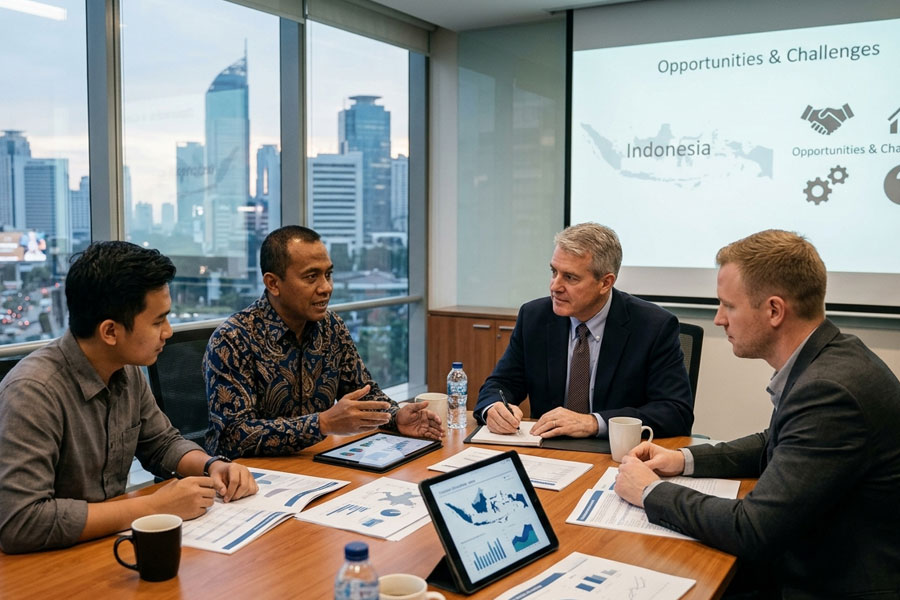
Despite the significant opportunities, foreign companies frequently face substantial challenges. One of the main obstacles is regulatory and bureaucratic complexity. Despite reform efforts, companies often contend with overlapping regulations between central and regional governments, which can create legal uncertainty.
Another challenge relates to infrastructure and logistics. Although infrastructure development has been a national priority over the past decade, logistics costs in Indonesia remain relatively high compared to neighboring Southeast Asian countries, due to the challenging geographical conditions of an archipelago nation. This requires companies to maintain highly efficient supply chain strategies to stay competitive.
Additionally, the skills gap in the local labor market remains a concern. While Indonesia has an abundant workforce, the demand for skilled workers capable of operating advanced technology is often not fully met. As a result, foreign companies frequently need to invest significant resources in internal training to develop local employees’ competencies to meet global standards.
Economic Analysis and Sustainability
Companies that succeed in Indonesia are those that can minimize risk through a deep understanding of the local context and through strategic partnerships with domestic stakeholders.
In conclusion, Indonesia offers enormous opportunities for foreign companies that are able to adapt to the unique characteristics of its market. Success here depends not only on capital, but also on a company’s ability to contribute to local economic development, transfer expertise, and navigate the regulatory landscape wisely.