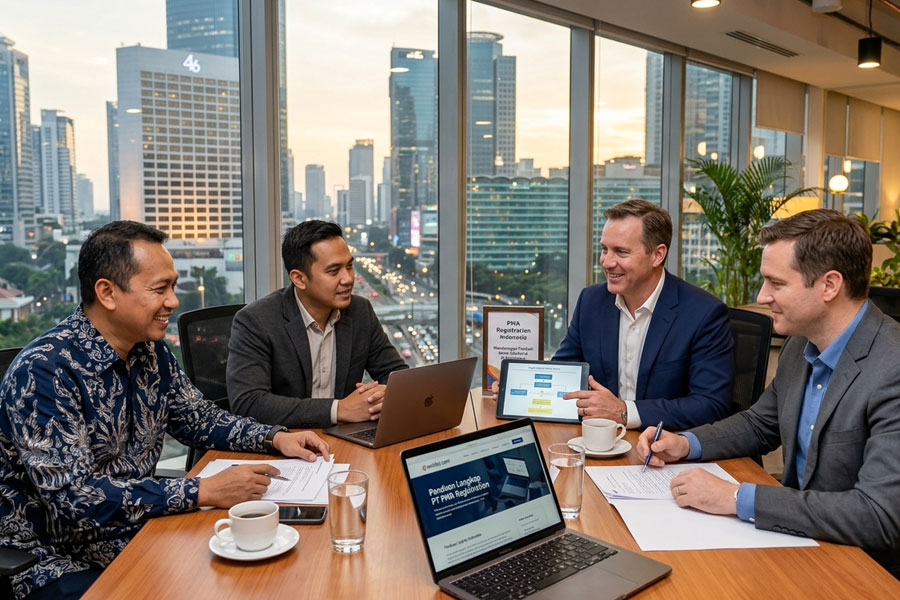
At Esin Indonesia, we help your business operate legally from day one. Whether you’re launching a PT PMA, representative office, or another entity, our Business Licensing Services enable you to navigate Indonesia’s regulatory framework confidently.
Table of Contents
ToggleWhat We Offer
Our services align with best practices, including those outlined by Cekindo:
1. NIB Registration & OSS Setup
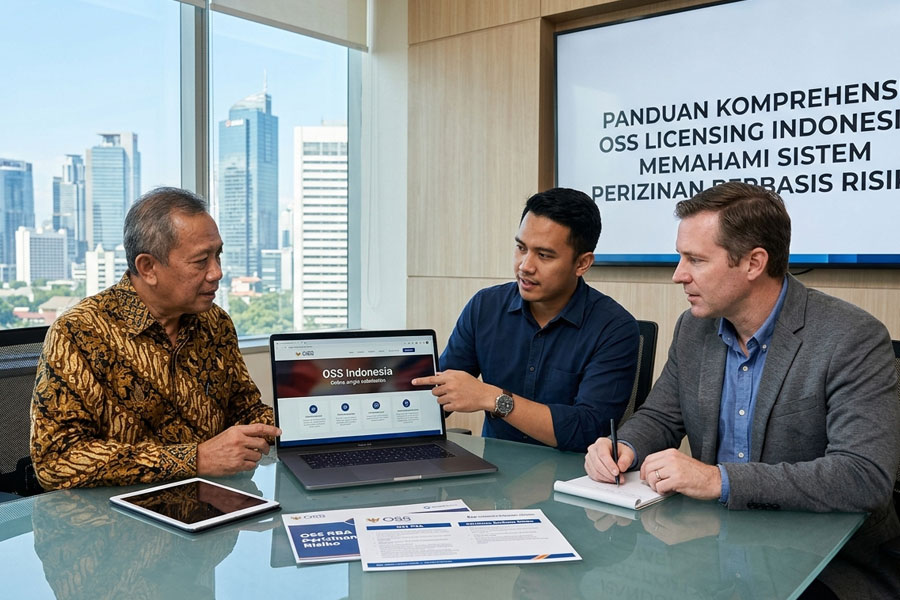
We register your business via Indonesia’s Online Single Submission (OSS) system to obtain your NIB (Business Identification Number)—this serves as your company identifier, import number, and automatically enrolls you in BPJS health/work insurance systems.
2. Sector-Specific Licensing
We’ll identify what type of license your business needs—such as general trading, industrial, or construction—and guide or apply accordingly.
3. Risk-Based Licensing Guidance
Some sectors require higher scrutiny and specialized permits. We help classify your business’s risk level and clarify requirements for environmental assessments, operational certificates, etc.
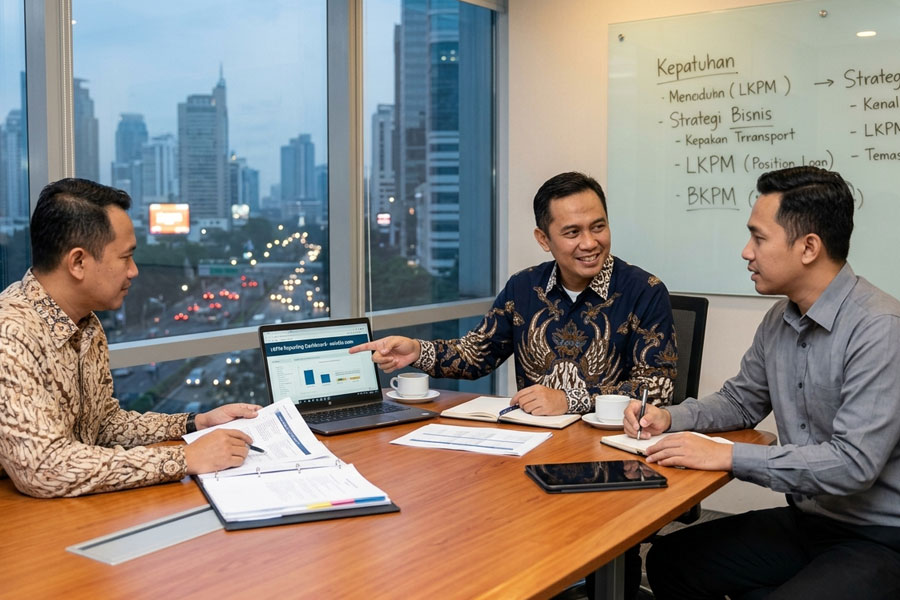
4. Corporate Compliance Filings
After licensing, we assist with ongoing obligations, such as annual financial reporting, BKPM investment activity reports (LKPM), and tax registration compliance.
Why Indonesia Requires Licenses
Indonesia mandates business licenses to safeguard public interest, ensure consumer protection, and manage foreign investment. Licenses validate your permitted activities and support law enforcement on sector integrity, environmental safety, and tax compliance.
FAQs
Content:
1. What’s the difference between NIB and a business license?
The NIB is your master business ID (replacing the old TDP), enabling trade activities and social security enrollment.
A business license (Izin Usaha) permits your specific operation (e.g., manufacturing, consulting). Certain activities require additional permits.
2. How do I get a license for my foreign-owned company (PT PMA)?
Set up your PT PMA (with required capital and shareholder structure), then register via OSS to secure your NIB. Afterward, obtain operational licenses based on your KBLI classification.
3. Can high-risk businesses skip additional permits under the Omnibus Law?
No—they remain subject to risk-based licensing. Reduced administrative burdens apply to lower-risk sectors, but specialized permits (e.g., environmental compliance) still apply where needed.
4. What ongoing reporting is required after obtaining licenses?
PT PMA companies must submit annual financial statements, Investment Activity Reports (LKPM) to BKPM, and regular tax filings to ensure legal compliance.
5. How long does licensing take?
Licensing via OSS typically goes faster than legacy systems, but timelines vary by sector. Permanent licensing applications—e.g., via BKPM—typically complete within 14 business days.