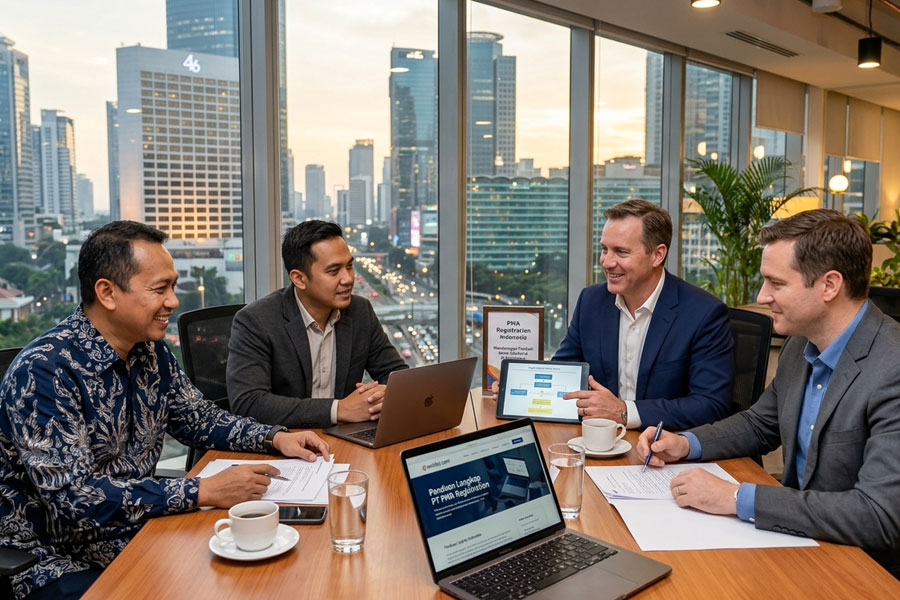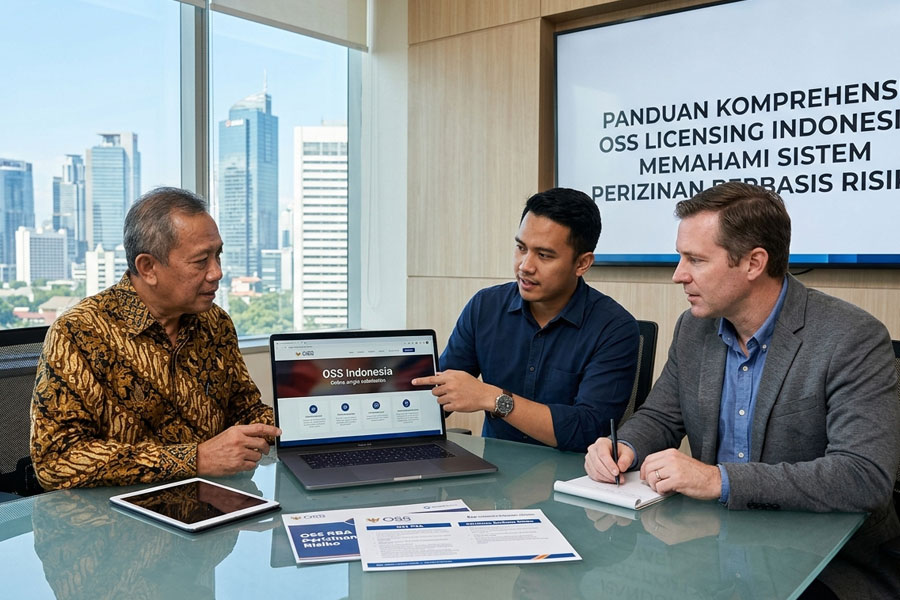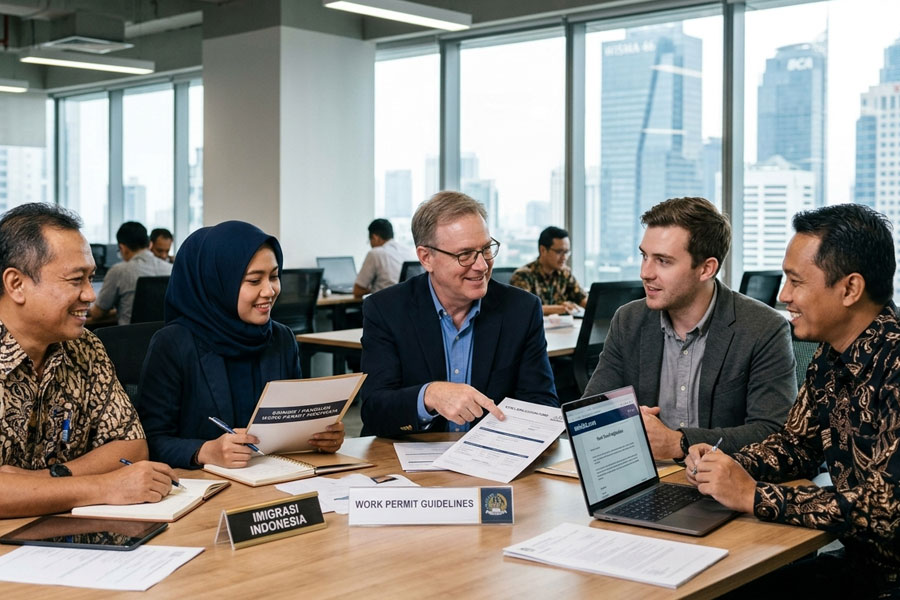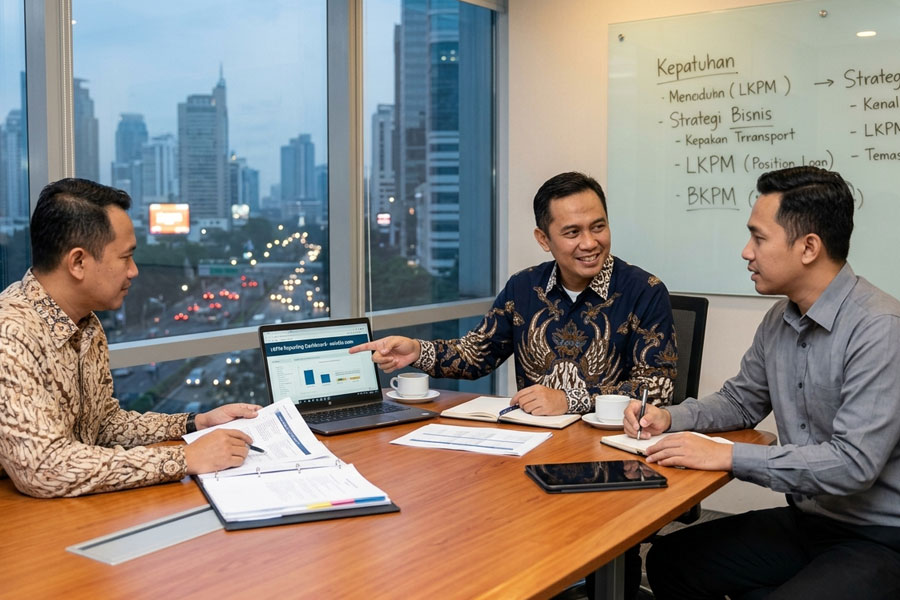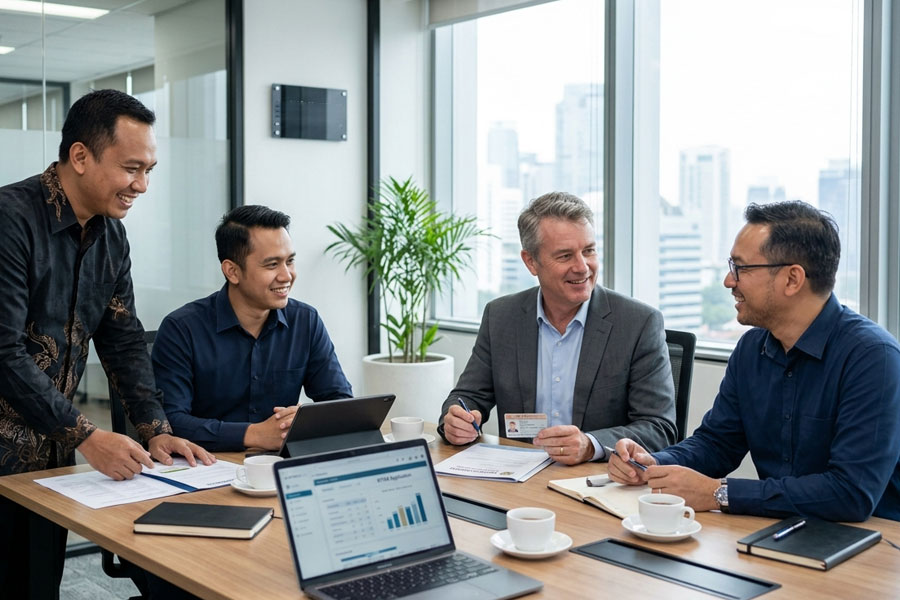
The landscape of corporate compliance in Indonesia is defined by a rigorous regulatory framework that demands precision, transparency, and deep local expertise. For any foreign or domestic entity operating within the archipelago, engaging a professional tax and accounting service is not merely an administrative convenience but a strategic necessity to mitigate risks associated with the Indonesian tax code, which is governed primarily by the General Provisions and Tax Procedures Law. As Indonesia continues to modernize its fiscal administration through digital transformation, companies must navigate the intricacies of Value Added Tax (VAT), Corporate Income Tax (CIT), and the complex withholding tax obligations that characterize the local business environment.
The Regulatory Framework of Indonesian Taxation
The Indonesian tax system is based on a self-assessment model, placing the burden of calculation, payment, and reporting squarely on the taxpayer. Under the Law on General Provisions and Tax Procedures (UU KUP), companies are required to maintain comprehensive financial records that adhere to the Indonesian Financial Accounting Standards (PSAK), which are largely converged with International Financial Reporting Standards (IFRS). A professional tax and accounting service provider ensures that a company’s financial statements are not only compliant with PSAK but also reconciled with the fiscal adjustments required by the Directorate General of Taxes (DGT).
Essential Accounting Services for Market Entry
When establishing a company in Indonesia—whether as a Perseroan Terbatas (PT) or a foreign-owned PT Penanaman Modal Asing (PT PMA)—the accounting function must be localized from day one. Professional services typically encompass:
- Bookkeeping and Financial Reporting: Maintaining the general ledger, accounts payable/receivable, and preparing monthly financial statements in accordance with local standards.
- Tax Compliance and Filing: Managing monthly and annual tax filings, including Article 21 (employee income tax), Article 23 (withholding tax on services), and Article 25/29 (corporate income tax installments).
- VAT Management: Handling the issuance of Faktur Pajak (Tax Invoices) through the e-Faktur system, which is mandatory for all VAT-registered businesses.
- Payroll Administration: Ensuring accurate calculation of social security contributions (BPJS Ketenagakerjaan and BPJS Kesehatan), which are mandatory for all employees.
Mitigating Fiscal Risk and Audit Preparedness
The DGT utilizes a sophisticated data-matching system to identify discrepancies in tax filings. Engaging an expert accounting firm provides a layer of defense during tax audits. According to authoritative texts on Indonesian business law, the primary cause of tax disputes often stems from inadequate documentation of deductible expenses. A professional service ensures that every transaction is supported by valid documentation, such as invoices, contracts, and proof of payment, which are essential during a Pemeriksaan Pajak (Tax Audit).
Furthermore, the implementation of the Sistem Informasi Perpajakan (Tax Information System) allows the government to track cross-border transactions, making transfer pricing documentation critical for multinational corporations. Failure to maintain contemporaneous transfer pricing documentation can lead to significant penalties, often calculated as a percentage of the tax underpayment.
Strategic Advantages of Outsourcing
For many companies, outsourcing accounting functions to a specialized firm in Jakarta or other major business hubs offers several strategic advantages:
- Cost Efficiency: Outsourcing eliminates the need for maintaining an in-house finance department, reducing overhead costs related to recruitment, training, and software licensing.
- Access to Expertise: Tax laws in Indonesia are subject to frequent amendments. Professional firms employ certified tax consultants who stay abreast of the latest regulations issued by the Ministry of Finance.
- Focus on Core Competencies: By delegating complex regulatory tasks to experts, management can focus on business development and market expansion within the Indonesian economy.
Digital Transformation in Indonesian Accounting
The Indonesian government has aggressively pushed for the digitalization of tax administration. The introduction of the e-Bupot (Electronic Withholding Tax Slip) and the integration of the Nomor Induk Berusaha (NIB) with tax profiles have streamlined the process but increased the requirement for technical proficiency. Companies must ensure their accounting software is compatible with these government portals. A professional tax and accounting service provider typically manages these integrations, ensuring that the company remains in the “compliant” category, which is vital for maintaining a good standing with the Investment Coordinating Board (BKPM).
Conclusion
Success in the Indonesian market requires a robust understanding of the intersection between local accounting standards and national tax policy. Whether a company is a startup or a multinational corporation, the complexity of the Indonesian tax environment necessitates the support of qualified professionals. By prioritizing accurate bookkeeping, timely tax filings, and proactive audit preparation, businesses can navigate the regulatory landscape with confidence, ensuring long-term sustainability and growth in one of Southeast Asia’s most dynamic economies.