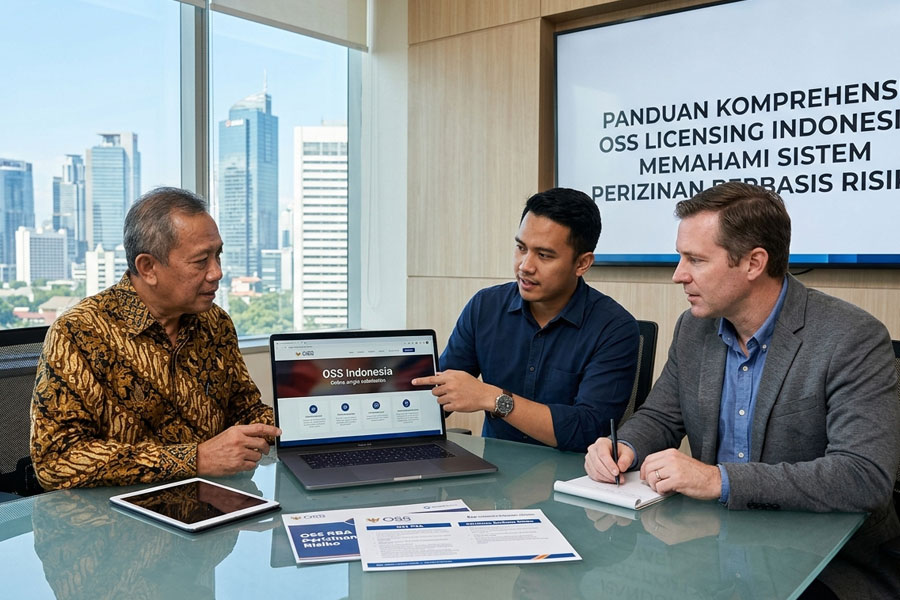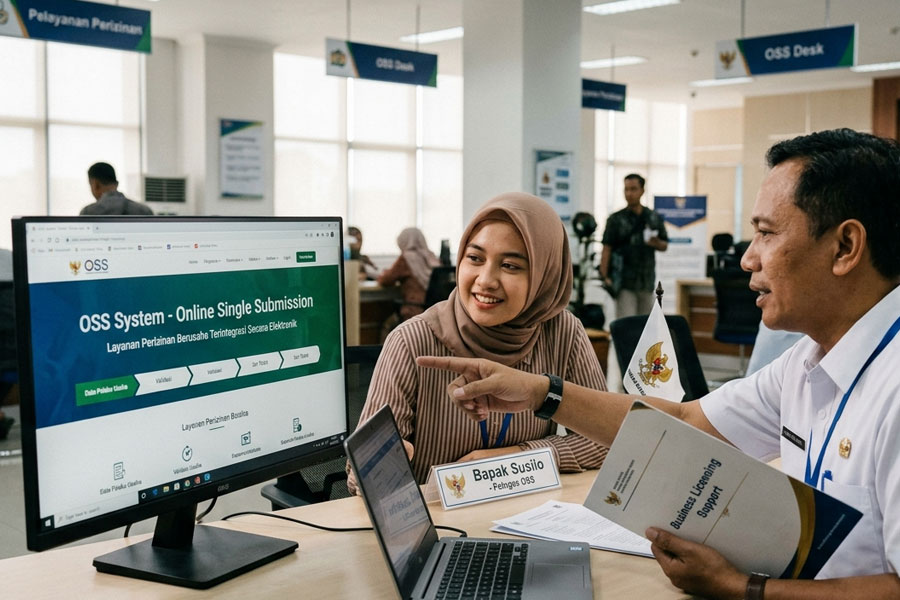
The implementation of the Online Single Submission (OSS) system represents a paradigm shift in the regulatory landscape of modern business administration. By centralizing the complex web of bureaucratic requirements into a singular digital gateway, the OSS system serves as the primary infrastructure for business licensing, aiming to reduce the “cost of doing business” through the automation of administrative workflows. In essence, the OSS acts as a digital intermediary between the entrepreneur and the state, facilitating the transition from manual, paper-based licensing to a streamlined, risk-based approach that prioritizes efficiency and transparency.
The fundamental role of the OSS system is to integrate various licensing processes—ranging from business identification numbers to sector-specific permits—into a unified electronic environment. As noted in studies on administrative reform, the integration of digital systems into government licensing is designed to mitigate the “regulatory burden” that often stifles small and medium-sized enterprises (SMEs). By utilizing a risk-based licensing approach, the system categorizes business activities based on their potential impact on health, safety, and the environment. This mathematical approach to regulation allows the state to allocate its oversight resources more effectively, focusing on high-risk sectors while accelerating the approval process for low-risk ventures.
Enhancing Transparency and Accountability
One of the most significant contributions of the OSS system is the reduction of discretionary power held by individual bureaucrats. In traditional licensing models, the lack of standardized timelines often created opportunities for rent-seeking behavior. The OSS system, by contrast, operates on a “system-by-system” logic where the status of an application is tracked in real-time. This digital audit trail ensures that every step of the licensing process is documented, thereby increasing accountability. According to institutional theory, the formalization of these processes through digital platforms reduces the “asymmetry of information” between the regulator and the applicant, leading to a more predictable business climate.
Economic Impact and SME Integration
For developing economies, the OSS system is not merely a technical upgrade but a strategic tool for economic formalization. Many businesses operate in the informal sector due to the prohibitive costs and time associated with obtaining legal permits. By lowering the barrier to entry, the OSS system encourages informal businesses to register, thereby expanding the tax base and providing entrepreneurs with the legal protections necessary to access credit and formal financial markets. The integration of the Business Identification Number (NIB) serves as a single identity for the business, replacing multiple disparate permits and simplifying the compliance landscape for the average entrepreneur.
Challenges and Future Directions
Despite the clear advantages, the effectiveness of the OSS system is contingent upon the quality of the underlying data and the interoperability of various government agencies. The system requires a high level of coordination between central and local governments to ensure that regional regulations do not conflict with national standards. Furthermore, the “digital divide” remains a critical concern; if the system is not accessible or user-friendly for those with limited technological literacy, it may inadvertently create new barriers rather than removing old ones. Future iterations of the OSS system are expected to incorporate artificial intelligence to further automate the verification of documents, potentially reducing the processing time for complex permits to near-instantaneous levels. As the system evolves, the focus will likely shift from simple digitization to the creation of a truly “smart” regulatory environment that anticipates business needs rather than merely responding to them.