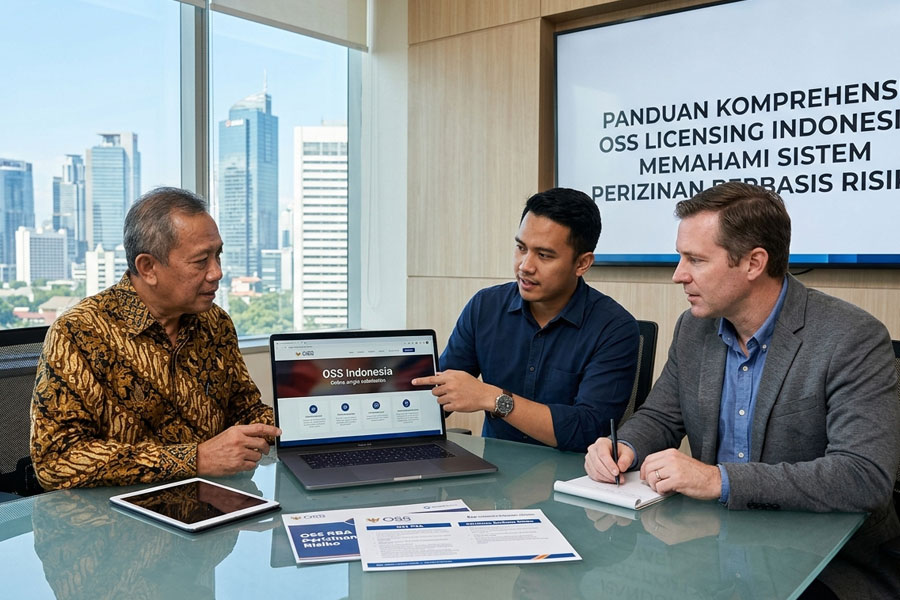
Understanding corporate compliance deadlines in Indonesia 2026 is crucial for both local companies and foreign-invested companies (PT PMA). Missing these deadlines can result in tax penalties, licensing issues, and administrative restrictions that affect business operations. This article provides a comprehensive overview of tax filing deadlines, investment reporting obligations, and corporate governance requirements in Indonesia during the first half of 2026.
Table of Contents
ToggleKey Indonesia Compliance Deadlines in 2026
| Deadline | Compliance Requirement | Regulatory Platform |
| 31 March | Individual Income Tax Return (SPT Orang Pribadi) | DGT Coretax |
| 15 April | Investment Activity Report (LKPM) – Q1 | OSS |
| 30 April | Corporate Income Tax Return (SPT Badan) | DGT Coretax |
| 16 June | KBLI Business Activity Alignment | OSS |
| 30 June | Annual General Meeting of Shareholders (RUPS) | AHU |
1. Individual Income Tax Return Deadline – March 31, 2026
All registered taxpayers in Indonesia must file their Annual Individual Income Tax Return (SPT Orang Pribadi) by March 31, 2026, using the DGT Coretax platform.
Who must file:
-
Employees with a Tax Identification Number (NPWP)
-
Company directors and commissioners receiving remuneration
-
Foreign individuals qualifying as Indonesian tax residents
Consequences of late filing:
-
Administrative fines
-
Interest charges
-
Potential audit if there are discrepancies
2. Investment Activity Report (LKPM) – Q1 Deadline: April 15, 2026
LKPM reporting is mandatory for companies registered under Indonesia’s investment framework through the Online Single Submission (OSS) system. The Q1 LKPM report (January–March 2026) must be submitted by April 15, 2026.
Required information:
-
Investment realization
-
Business activity progress
-
Operational status
-
Employment data
Risks of late submission:
-
Administrative warnings
-
License suspension
-
OSS system sanctions
3. Corporate Income Tax Return Deadline – April 30, 2026
Companies incorporated in Indonesia must submit their Annual Corporate Income Tax Return (SPT Badan) by April 30, 2026. The report includes financial statements, tax reconciliation, and corporate income tax calculations.
Consequences of late filing:
-
Administrative penalties
-
Interest charges
-
Increased scrutiny from the tax authorities
4. Business Activity Classification Alignment (KBLI) – June 16, 2026
Indonesia uses the Standard Classification of Indonesian Business Fields (KBLI) to categorize and regulate business activities.
Compliance requirements:
-
Review registered KBLI codes in OSS
-
Update operational scope if necessary
-
Amend licensing data to match KBLI
Risks of non-compliance:
-
Licensing inconsistencies
-
Difficulties in obtaining new permits
5. Annual General Meeting of Shareholders (AGM) – June 30, 2026
Indonesian companies must hold an Annual General Meeting of Shareholders (RUPS Tahunan) within six months after the fiscal year-end. For companies with a December 31 year-end, the AGM must be held by June 30, 2026.
AGM agenda:
-
Approval of annual financial statements
-
Reports from the board of directors and commissioners
-
Dividend distribution (if applicable)
-
Shareholder resolutions
Consequences of not holding the AGM:
-
Administrative restrictions in the AHU corporate registry
-
Potential obstacles in future corporate actions
Best Practices for Managing Corporate Compliance in Indonesia
To minimize risks, companies should:
-
Maintain a corporate compliance calendar for all deadlines
-
Coordinate between tax, accounting, and legal teams
-
Periodically review business licenses and KBLI codes
-
Prepare financial and tax documents in advance
Conclusion
Understanding Indonesia’s compliance deadlines in 2026 is essential to:
-
Avoid penalties and sanctions
-
Maintain valid licenses and permits
-
Ensure smooth business operations
Companies that proactively manage tax filings, investment reporting, licensing updates, and AGMs will reduce regulatory risks and maintain strong operational standing in Indonesia.