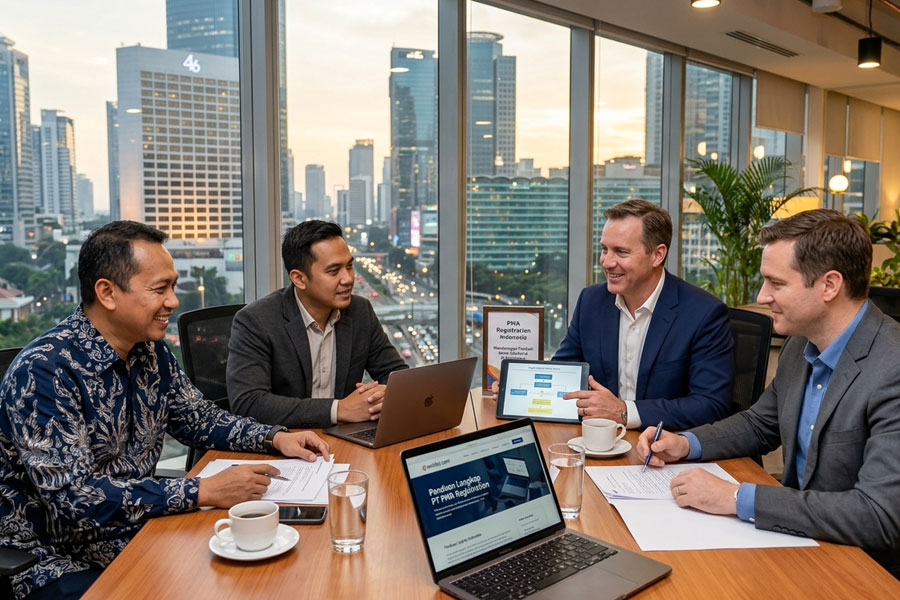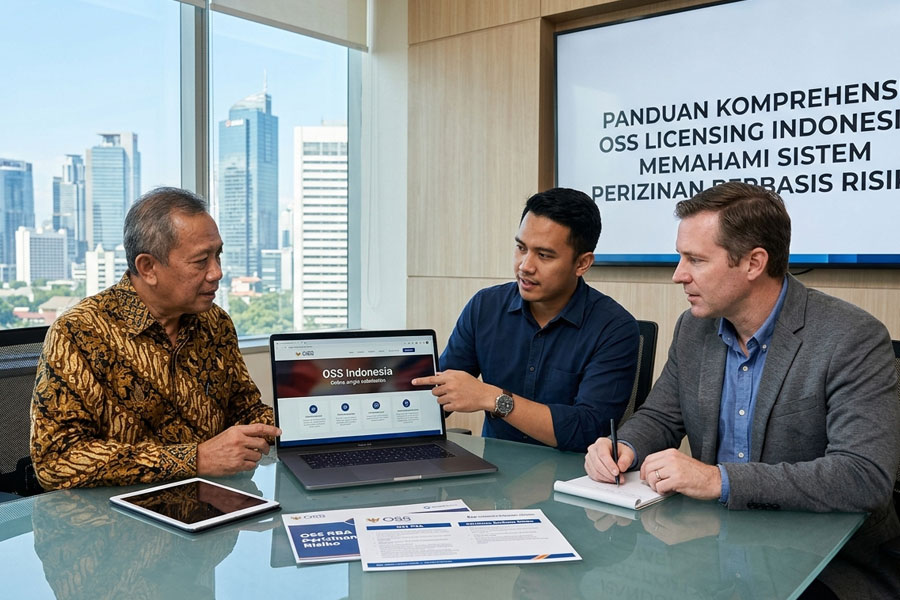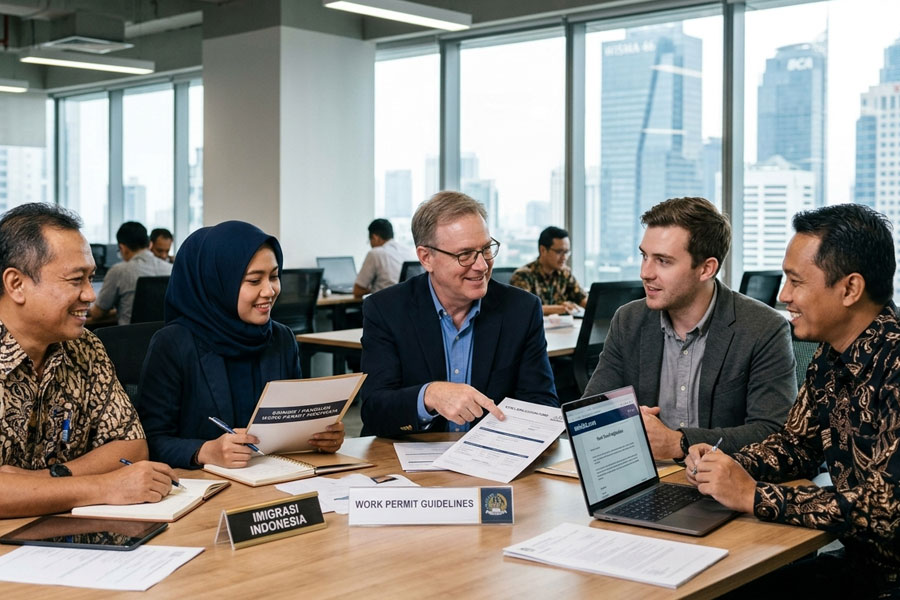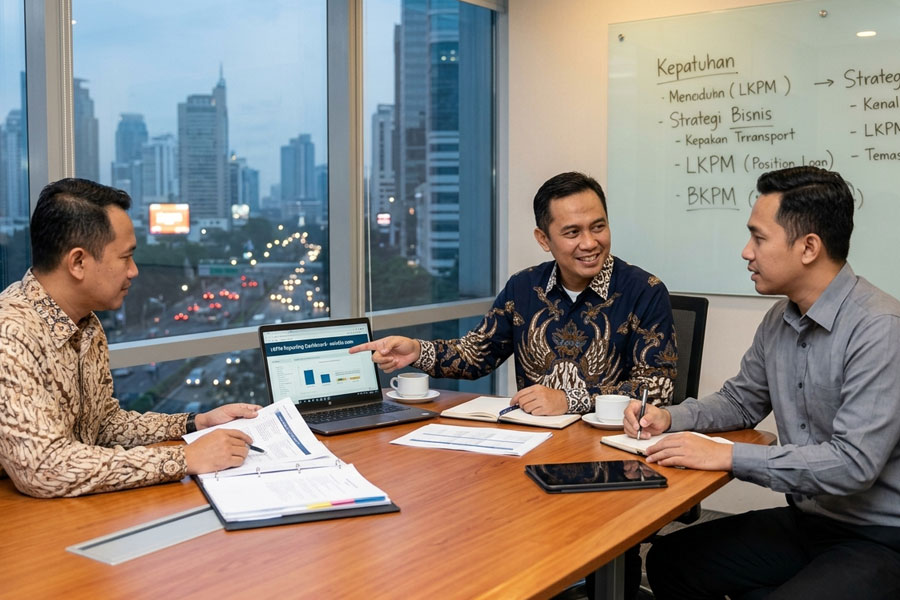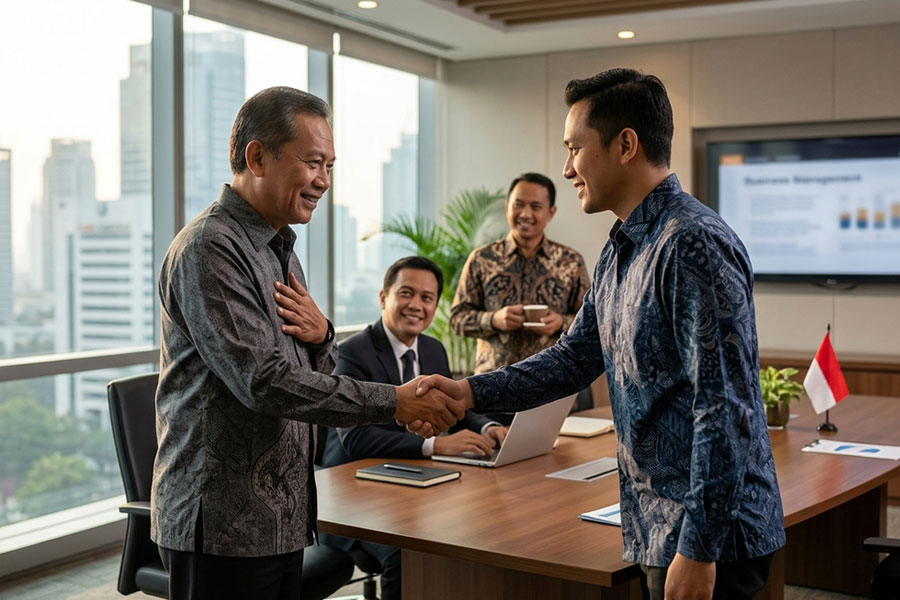
In the complex landscape of Southeast Asian commerce, Indonesia stands out as a nation where the “soft” skills of social interaction are often more critical than the technical specifications of a contract. For foreign investors and business professionals, the ability to navigate the nuances of Indonesian culture is not merely a matter of politeness; it is a fundamental strategy for building the kepercayaan (trust) necessary for long-term success. Trust in Indonesia is rarely established through a single transaction; rather, it is a cumulative process built upon the demonstration of respect, patience, and an understanding of the local social hierarchy.
The Primacy of Hierarchy and Status
Indonesian society is deeply influenced by hierarchical structures, often rooted in the concept of paternalism and the respect due to elders or those in positions of authority. In a business context, this means that decision-making is rarely egalitarian. Understanding who holds the power in a room—and addressing them with the appropriate level of deference—is essential. When a foreign partner acknowledges the status of their Indonesian counterpart, they signal that they have taken the time to learn the local “language” of respect, which immediately lowers the barriers to open communication. Failure to recognize these hierarchies can be perceived as arrogance, a trait that is highly detrimental to building rapport in a culture that values modesty and harmony (rukun).
Communication and the Concept of Face
One of the most significant barriers to trust is the Western tendency toward direct, blunt communication. In Indonesia, maintaining “face”—both one’s own and that of the partner—is paramount. Direct confrontation or public disagreement is viewed as a failure of social grace. Instead, communication is often indirect, relying on context and non-verbal cues. By adopting a more nuanced approach, foreign partners can avoid causing embarrassment, which is a prerequisite for maintaining a stable, long-term relationship. If a partner feels that their dignity is being protected, they are significantly more likely to share honest feedback and engage in collaborative problem-solving.
Rituals of Respect: The Physicality of Business
Trust is also built through the observation of specific physical rituals. As noted in regional business guides, the use of the right hand for all exchanges—whether handing over a document, a business card, or a gift—is a non-negotiable standard of respect. The left hand is traditionally associated with personal hygiene, and using it in social interactions is considered deeply offensive. Furthermore, the exchange of business cards is a ritualized process; cards should be presented and received with both hands, studied with genuine interest, and treated with the same respect one would accord the person themselves. These small, seemingly trivial actions serve as a “litmus test” for a foreign partner’s commitment to the relationship. When a visitor demonstrates this level of cultural awareness, it signals that they are not merely looking for a quick profit, but are invested in the cultural fabric of their Indonesian counterparts.
The Role of Patience and Relationship Building
In many Western business cultures, the goal is to “get down to business” as quickly as possible. In Indonesia, the business is the relationship. Trust is cultivated through silaturahmi—the act of maintaining social bonds. This often involves informal meetings, shared meals, and extended conversations that have nothing to do with the immediate agenda. For the foreign partner, this requires a shift in perspective: time spent socializing is not “lost” time; it is an investment in the foundation of the partnership. By showing patience and a willingness to engage in the social aspects of business, the foreign partner demonstrates that they value the human connection over the transactional outcome, which is the ultimate catalyst for deep-seated trust.
Conclusion
Understanding Indonesian business etiquette is a transformative process that shifts the dynamic from “vendor-client” to “trusted partner.” By respecting hierarchy, protecting the dignity of others, observing physical etiquette, and prioritizing the development of long-term relationships, foreign professionals can navigate the Indonesian market with grace and efficacy. Ultimately, trust in Indonesia is earned through the consistent demonstration of humility and cultural intelligence, proving that the visitor is a partner who respects the local way of life