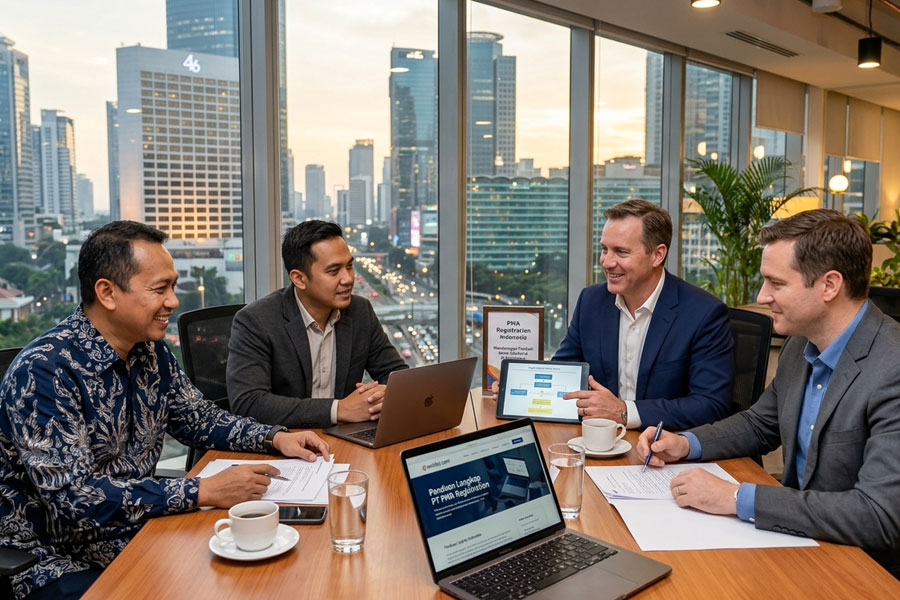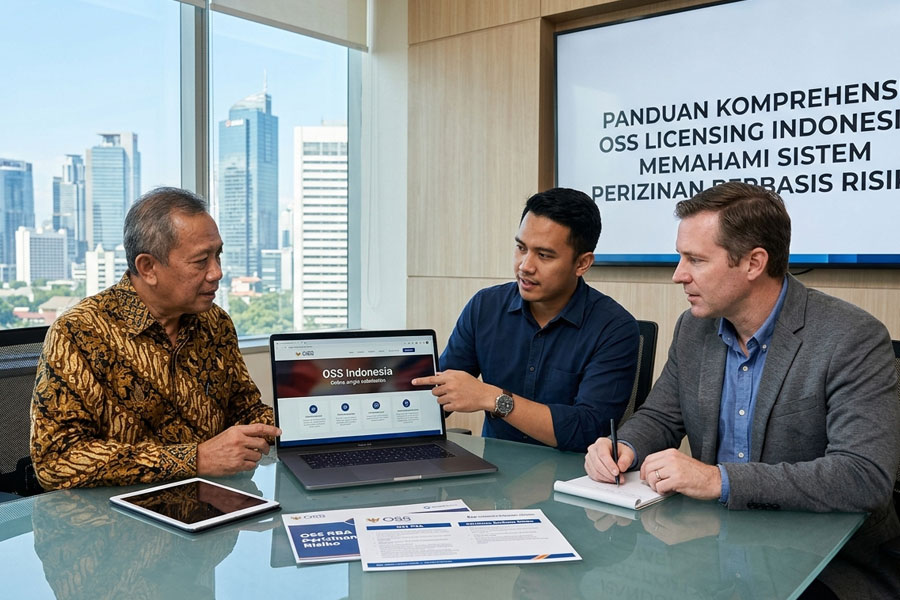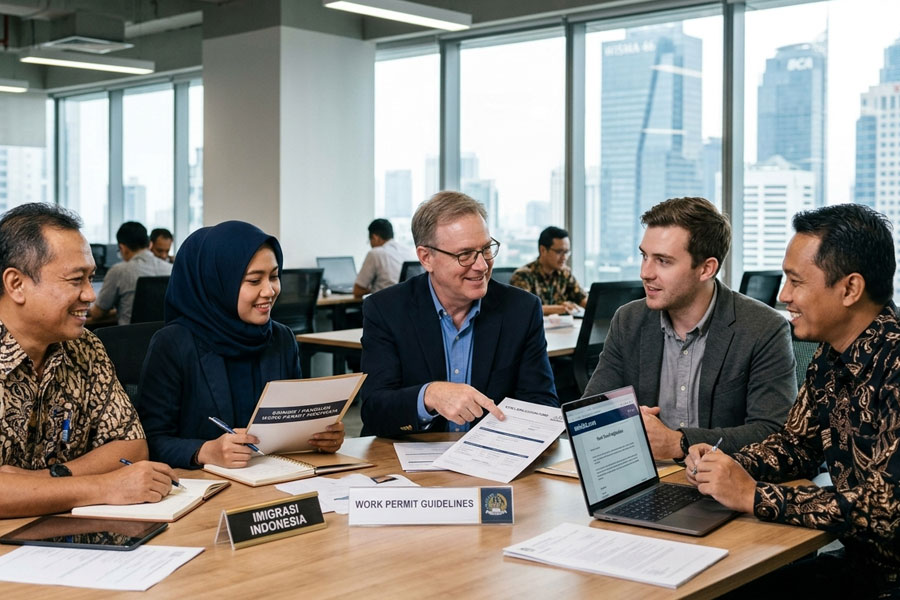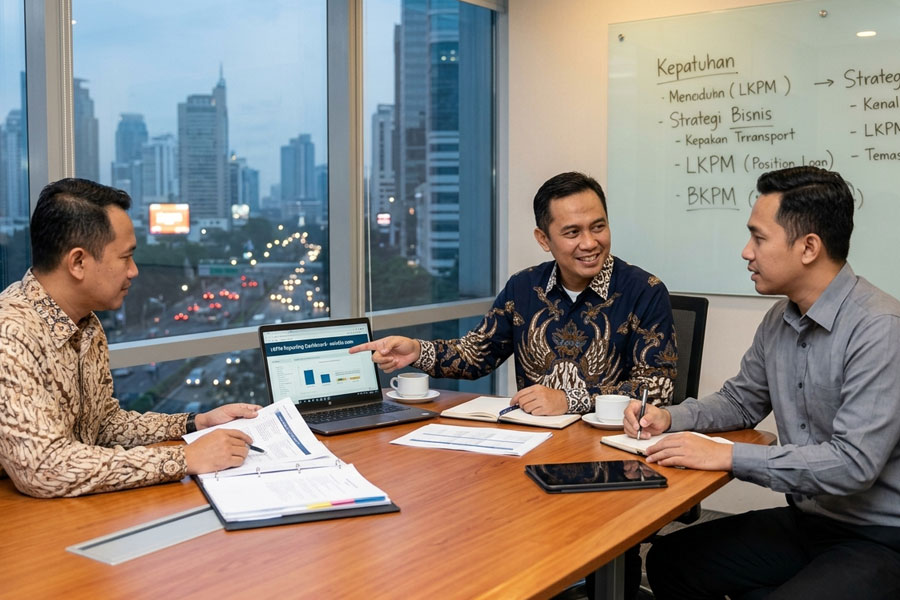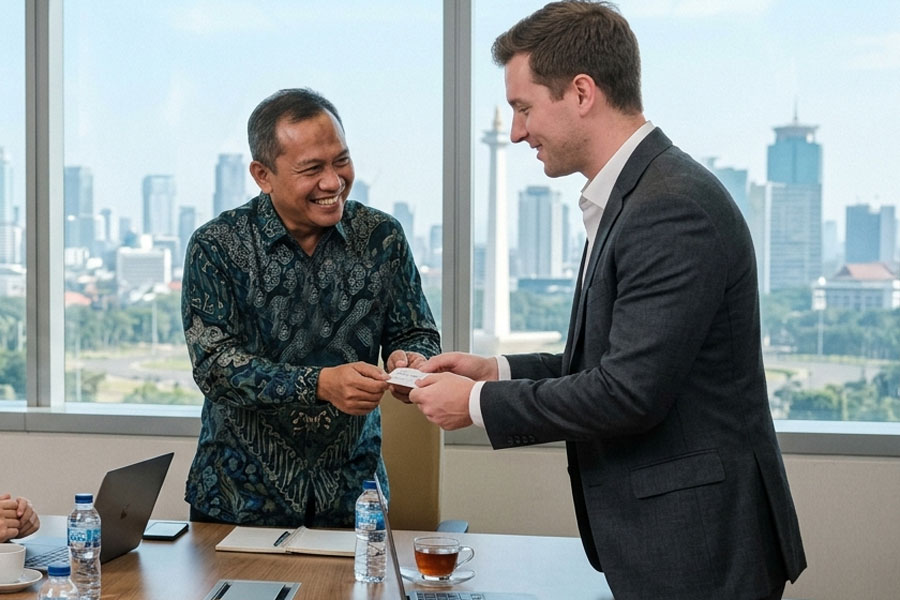
Navigating the Indonesian business landscape requires a sophisticated understanding of Cultural Intelligence (CQ), a concept defined by researchers as the capability to function and manage effectively in culturally diverse settings. In Indonesia, the world’s fourth most populous nation and a burgeoning economic powerhouse, business is not merely a transactional exchange; it is a deeply relational endeavor rooted in the philosophy of gotong royong (mutual cooperation) and the maintenance of social harmony. For international firms, success in this market is predicated on the ability to build long-term trust, which is often prioritized over short-term contractual efficiency.
The Indonesian professional environment is characterized by a high-context communication style, where the meaning of a message is heavily dependent on non-verbal cues, status, and the relationship between the interlocutors. Unlike low-context cultures that prioritize directness and explicit verbal communication, Indonesian business etiquette emphasizes basa-basi—the art of small talk and polite social interaction. Engaging in basa-basi is not a waste of time; it is a critical mechanism for establishing rapport and demonstrating respect for one’s counterpart. Failure to engage in this process can be perceived as cold or aggressive, potentially damaging the foundation of trust necessary for a successful partnership.
The Importance of Hierarchy and Respect
Indonesian organizational culture is generally hierarchical, reflecting the broader societal value placed on respect for authority and age. Decision-making is often centralized, and junior employees may be hesitant to contradict senior leaders in public settings. When conducting meetings, it is essential to recognize the status of the individuals present. Addressing someone by their correct professional title and showing deference to the most senior person in the room is standard practice. Furthermore, the concept of “saving face”—avoiding public embarrassment or loss of dignity—is paramount. Direct criticism or blunt confrontation in a meeting can cause significant offense and lead to a permanent breakdown in professional relations.
Communication and the “Yes” Phenomenon
One of the most frequent points of friction for Western business professionals in Indonesia is the interpretation of the word “yes.” In many Indonesian contexts, saying “yes” may not signify agreement with a proposal or a commitment to a deadline; rather, it may indicate that the listener has heard and understood the speaker, or that they wish to avoid the discomfort of saying “no” and causing a loss of face. To navigate this, business leaders must develop the skill of “reading between the lines.” Asking open-ended questions that require more than a binary response can help clarify intentions without forcing a counterpart into an uncomfortable position.
Building Trust Through Relationship Management
Trust in Indonesia is built through consistent, face-to-face interaction. While virtual communication has become more prevalent, it rarely replaces the need for physical presence in the early stages of a business relationship. Investing time in social settings, such as business lunches or dinners, is an essential component of the sales and negotiation process. These environments allow for the development of personal connections that transcend the office, signaling that the foreign partner is committed to the relationship for the long term.
Practical Etiquette for the Modern Professional
When entering the Indonesian market, professionals should adhere to several key etiquette guidelines:
- The Handshake: A gentle, rather than firm, handshake is customary. Always use the right hand, as the left hand is traditionally considered unclean in many parts of the country.
- Patience: The concept of jam karet (rubber time) suggests a more fluid approach to time management. While international business standards are increasingly adopted, flexibility is a virtue, and impatience is viewed as a character flaw.
- Gift Giving: Small, thoughtful gifts can be a powerful gesture of goodwill, provided they are presented with both hands and are not overly extravagant, which could be misinterpreted as a bribe.
- Cultural Sensitivity: Demonstrating an interest in local customs, language, and history goes a long way in establishing credibility. Even learning a few phrases in Bahasa Indonesia can significantly soften the barrier between foreign and local teams.
As global organizations continue to tap into the diverse knowledge and fresh perspectives offered by the Indonesian market, the ability to adapt one’s management style becomes a competitive advantage. By prioritizing cultural intelligence, businesses can mitigate the risks of misunderstanding and foster a collaborative environment that respects local traditions while achieving global objectives. The future of international business in Indonesia lies not in the imposition of foreign models, but in the synthesis of global expertise with local wisdom.