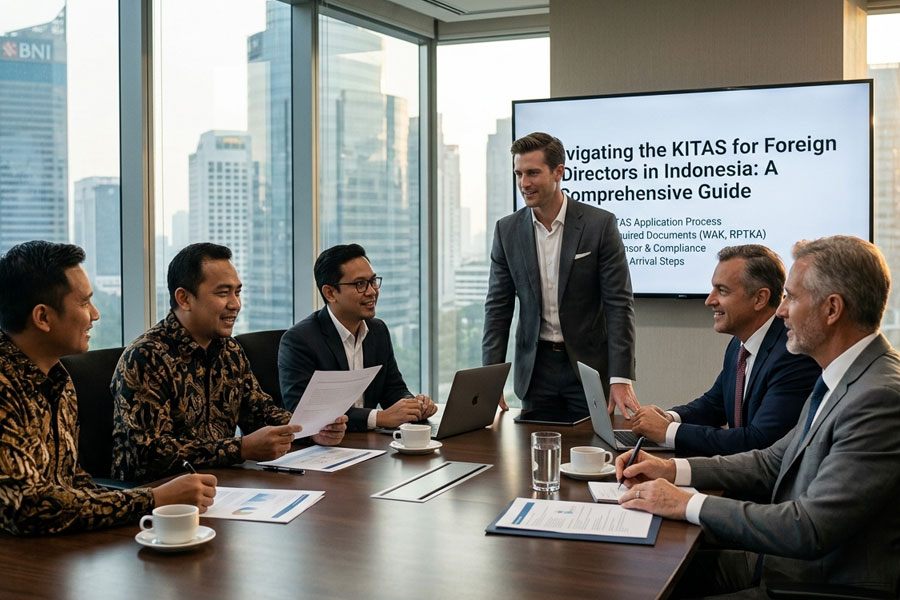
Navigating the import process into Indonesia requires more than understanding tariffs—it demands strict compliance with detailed regulatory frameworks. As Indonesia modernizes its legal landscape, businesses looking to invest must align with new regulations to avoid penalties and delays. In 2026, understanding these regulations is more crucial than ever to ensure smooth entry into Indonesia’s growing market.
Table of Contents
Toggle1. Key Regulatory Changes Affecting Importers
Several important regulatory updates were introduced in 2025-2026 that affect importers:
-
Ministerial Regulation No. 16/2025 (MOT 16/2025): This regulation reshapes the import regime, providing clearer classifications for importable goods and updated compliance requirements.
-
Permendag 23/2025: Introduces stricter documentation and verification for consumer goods imports, ensuring that goods meet specific standards before entering Indonesia.
-
LARTAS (Prohibited & Restricted Imports): This regulation governs products that are banned or restricted from import, such as certain chemicals or specific consumer goods.
As regulations are frequently updated, it is essential to consult with experts, such as Singapore consultants for Indonesia, or local legal advisors to stay compliant.
2. Documentation & Licensing Requirements
To comply with Indonesia’s import regulations, several steps are required:
a. Business Identification (NIB) & API License
-
All importers must obtain a Business Identification Number (NIB) through the Online Single Submission (OSS) system.
-
Depending on the activity, companies may need either an API-U (General) or API-P (Producer) status.
b. Essential Import Documentation
Importers must submit several documents through Indonesia’s National Single Window (INSW), including:
-
Proforma and commercial invoices
-
Bill of lading or airway bill
-
Certificate of origin
-
Packing list
-
Insurance certificate
These documents are crucial for ensuring that shipments clear customs smoothly.
c. Product-Specific Permits & Certifications
Certain products require additional certifications and approvals, including:
-
BPOM Registration: Required for food, beverages, cosmetics, and supplements.
-
SNI Certification: Compliance with national standards where applicable.
-
Halal Certification: By 2026, many food and personal care products will need halal certification.
3. Technical Considerations & Verification
For certain sectors, such as textiles, Indonesia has reinstated Technical Consideration (PerTek) prerequisites before import approval can be granted. Companies often overlook this step, leading to delays in the approval process. It is important to stay informed about these specific technical requirements to avoid issues.
4. Customs Clearance & Post-Entry Compliance
Even with proper documentation, the customs clearance process requires careful attention to avoid complications:
-
Physical Inspections: Customs authorities may conduct inspections to verify compliance with local regulations.
-
Labeling Requirements: Products must meet local language and content standards. Non-compliance can result in fines, seizure of goods, or revocation of import privileges.
It’s essential to understand these post-entry regulations to avoid costly mistakes and ensure smooth operations.
5. The Role of Singapore Consultants & Local Partners
Working with a Singapore consultant for Indonesia or a local trade expert provides several advantages:
-
Up-to-date Guidance: Consultants keep you informed on the latest regulatory changes.
-
Support in Licensing & Documentation: They help manage the complex licensing and documentation requirements for importers.
-
Faster Market Entry: By mitigating compliance risks, they enable a smoother and quicker entry into the Indonesian market.
Their expertise helps ensure that your business complies with Indonesia’s regulations and avoids unnecessary delays.
6. Best Practices for Import Compliance
To stay compliant with Indonesia’s import regulations, follow these best practices:
-
Maintain Accurate HS Codes: Proper classification of products helps avoid misapplied tariffs and delays.
-
Monitor Regulatory Changes: Indonesia frequently updates its import policies, so staying proactive is crucial to maintaining compliance.
-
Invest in Compliance Systems: Electronic submissions via OSS/INSW and internal checklists can streamline the process and improve accuracy.
By adopting these practices, businesses can ensure that they remain in compliance and avoid potential issues.
Conclusion
Complying with Indonesia’s import regulations can be complex, but it is crucial for businesses looking to enter or expand within Indonesia’s market. With recent updates in 2025-2026 and increasing regulatory scrutiny, partnering with experienced advisors, including Singapore consultants for Indonesia, can help navigate the regulatory environment. Staying compliant reduces the risk of delays, penalties, and ensures successful market entry into one of Southeast Asia’s fastest-growing economies.